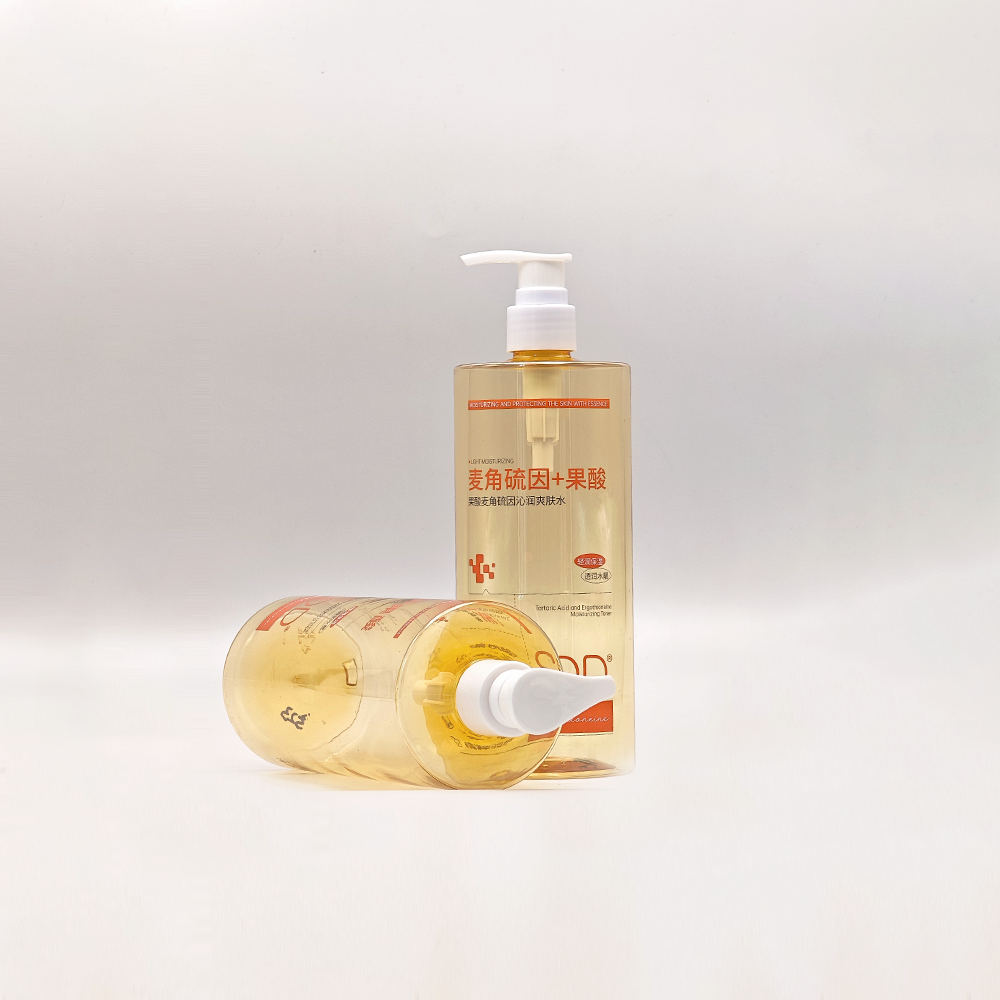
Plastic bottles are a prevalent and versatile category of packaging materials within the cosmetics industry. This introduction will outline their fundamental concept, primary plastic material types, and key characteristics.
Concept of Cosmetic Packaging Materials
Cosmetic packaging materials generally refer to all components excluding the product’s formula itself, categorized into inner and outer packaging. Inner packaging materials are those in direct contact with the contents, such as bottles, caps, stoppers, and gaskets that form a sealed container. Outer packaging includes other materials used for decoration and protecting both the contents and the inner packaging.3
Common Plastic Materials for Cosmetic Bottles
Several specific plastic resins are widely used for manufacturing cosmetic bottles due to their safety, performance, and aesthetic properties.
- PET (Polyethylene Terephthalate): PET is a crystalline, saturated polyester. It appears as a milky white or light yellow, highly crystalline polymer with a smooth, glossy surface. It is an environmentally friendly material that can directly contact cosmetics and food. PET is relatively soft, inherently transparent, and is a primary material for packaging organic skincare products.3
- PP (Polypropylene) & PE (Polyethylene): Both PP and PE are environmentally friendly materials suitable for direct contact with cosmetics and food, also serving as main materials for organic skincare products. PP is a white, waxy material that is transparent and lightweight. PE is odorless, non-toxic, has a wax-like feel, offers excellent low-temperature resistance, and good chemical stability. Their natural state is white and semi-transparent, and they can be manufactured to achieve three different levels of hardness based on molecular structure.13
- AS (Acrylonitrile-Styrene Copolymer): AS is a colorless, transparent thermoplastic resin known for high-temperature resistance, excellent gloss, chemical resistance, good hardness, rigidity, dimensional stability, and load-bearing capacity. It is relatively brittle (producing a crisp sound when tapped), transparent with a bluish base tint, and safe for direct contact with cosmetics. It is commonly used for the bodies of ordinary lotion bottles and vacuum bottles, and can also be used for small-capacity cream jars, presenting a transparent appearance.3
- PCTA & PETG: Both are environmentally friendly, soft, transparent materials directly suitable for contact with cosmetics and food, primarily used for organic skincare products. They are prone to scratching.
- PCTA offers lower extractables, better heat resistance, low-temperature impact resistance, and hydrolysis stability compared to PET.
- PETG is a transparent, amorphous copolyester with outstanding toughness and high impact strength, a wide processing range, high mechanical strength, excellent flexibility, better transparency and gloss than PVC, ease of printing, and environmental advantages.3
Plastic packaging bottles are valued for being lightweight, easy to carry, durable, and cost-effective.12 They often feature secure caps or lids to prevent spills and maintain product freshness.12 Available in a wide variety of sizes, shapes, and colors, they cater to diverse needs from personal use to commercial applications.1 Many are designed for long-term storage.2 An increasing number of brands utilize eco-friendly and recyclable plastic bottles, contributing to waste reduction and supporting sustainable development.