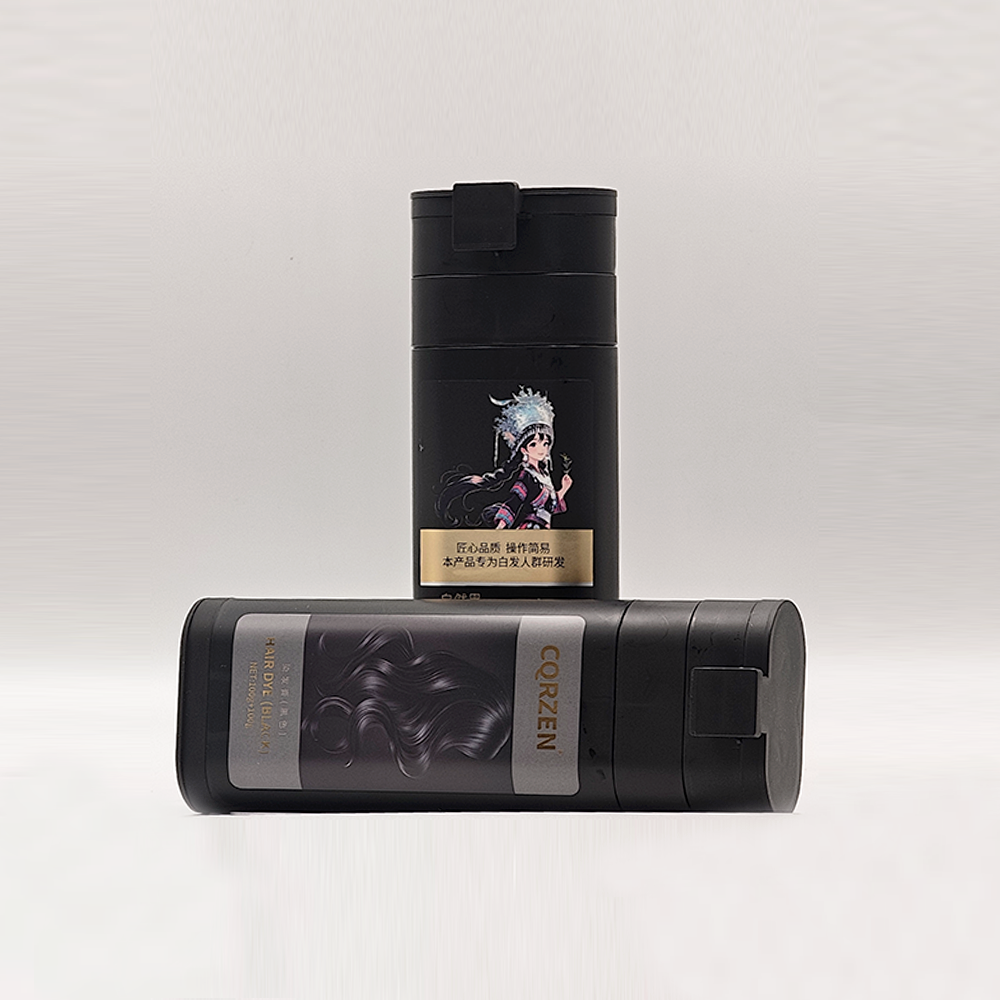
The design of cosmetic plastic bottle packaging aims to enhance the user experience. The core lies in integrating functionality, ergonomics and emotional design, making each use an enjoyable interactive process.
Starting from user behavior: Solving real usage pain points
User experience begins with a deep understanding of daily usage scenarios. Many users encounter the following problems when using cosmetics:
It is difficult to operate with one hand, especially during the process of washing or applying skin care products;
The content is severely residue-prone, making it difficult to completely remove;
The output is uncontrollable, resulting in waste or uneven application;
The bottle surface is slippery, making it prone to slipping and breaking.
Therefore, the design of plastic bottles needs to be optimized specifically:
Precise dosage control through pump head pressing
Utilize a quantitative liquid dispensing pump head (e.g. 0.2ml per press) to ensure a fixed dosage is released each time, preventing overuse. Suitable for high-value products such as essences and lotions, enhancing the sense of security during use.
Disc-type upward structure
Similar to the design of La Roche-Posay, the piston at the bottom of the bottle gradually moves upward with use, ensuring that the contents remain close to the outlet. There is no need to invert and scrape, completely solving the residue problem. It is especially suitable for thick facial creams.
Anti-slip texture and hand-shaped curve design
Add a matte finish or longitudinal grooves in the middle section of the bottle to enhance friction; based on ergonomic research, control the bottle diameter between 5.5–6.5 cm, which is suitable for most adult hand grip.
Single-hand opening mechanism
Design one-click opening lids or magnetic flip covers to reduce the opening steps and enhance the usability, especially suitable for the quick morning skincare routine.
II. Material Selection Balances Safety, Texture and Environmental Friendliness
Although plastic bottles are lightweight, the material they are made of directly affects users’ perception of quality and their willingness to use them in the long term.
Table
Material User Experience Advantage Application Suggestions
PETG Extremely high transparency, presenting a “crystal-like” effect, enhancing the impression of the product as being of high quality High-end essence, transparent gel
PP + Acrylic Composite Outer layer with high gloss, inner layer for safe contact, balancing aesthetics and functionality Face cream bottle, lotion bottle
PCR Plastic (Post-consumer Recycled) Meeting environmental protection requirements, enhancing brand appeal General packaging for mainstream product lines
Biobased Plastic (such as PLA) Biodegradable, conveying sustainable concepts, enhancing emotional connection Samples, travel-sized bottles, young brands
✅ Note: All plastics in direct contact with the contents must undergo food-grade safety certification to ensure they do not contain harmful substances such as bisphenol A, ensuring user health.
III. Emotional Design: Making Packaging “Talk”
Modern consumers not only focus on functionality, but also value the emotional value that packaging brings.
The dropper design enhances the sense of ceremony: For example, facial care oil uses dropper-style bottle caps, allowing users to precisely control the amount of drops. This makes the usage process more controllable and creates a healing atmosphere.
The replaceable core design extends the sense of companionship: Providing replaceable inner cores, users can keep their favorite outer bottles while only replacing the contents. This is both environmentally friendly and allows for the continuation of usage memories.
Tactile feedback strengthens the perception of quality: Through matte spraying, temperature-sensitive coatings, or embossed logos, users can sense the brand’s dedication upon touching.
Four. Environmental Experience: Let users “feel at ease when using, and dispose without burden”
More and more users are concerned about the final destination of the packaging. When designing, the full life cycle experience should be considered:
Reusable bottle design: The pump head, bottle body, and label are separated for easy classification and recycling;
Participatory recycling program: Print the brand’s empty bottle recycling guidelines QR code on the packaging to guide users to participate in environmental protection actions;
Use recycled materials and clearly label: For example, “This bottle contains 72% recycled plastic”, enhancing users’ sense of environmental accomplishment ^[A1]^.
The diversity and exquisite craftsmanship of cosmetic plastic bottle packaging