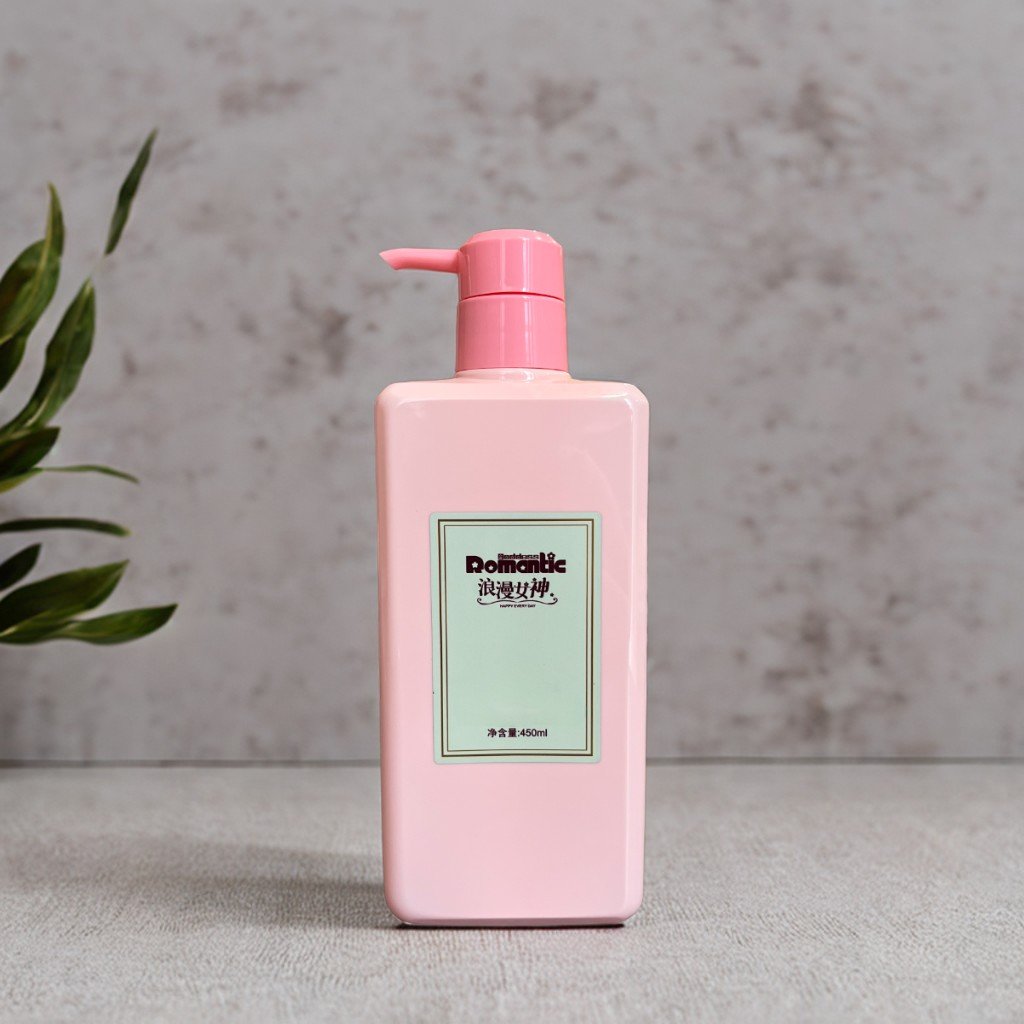
I. The Rise of Cosmetics Plastic Bottle Packaging Materials and Their Market Position
In the long history of cosmetic packaging, the emergence of plastic bottles can be regarded as a revolution. In the 1980s, with the comprehensive development of China’s packaging industry, plastic quickly entered the cosmetics sector by leveraging its unique advantages, replacing the once popular glass and ceramic packaging. Nowadays, plastic has become the main force in cosmetic packaging, accounting for over 70% of the market share. From skin care lotions to cleansing gels, from makeup setting sprays to hair care essential oils, plastic bottles are active in various sub-sectors of cosmetics in diverse forms.
The popularity of plastic bottles as the mainstream packaging for cosmetics is closely related to their outstanding practicality. Compared to glass, plastic bottles are lighter in weight and less prone to breakage, significantly reducing transportation costs and the risk of damage. This is particularly suitable for the current booming e-commerce logistics industry. At the same time, plastic has extremely strong plasticity and can be molded into various shapes and sizes using processes such as blow molding and injection molding, meeting the packaging needs of different cosmetics. Whether it’s a large-capacity household shampoo or a small and portable travel essence, plastic bottles can easily be adapted.
II. Material Classification and Characteristics of Cosmetics Plastic Bottle Packaging Materials
The materials of cosmetic plastic bottles are diverse. Different materials have different properties and are suitable for different types of cosmetics.
(1) PP (Polypropylene)
The PP material is non-toxic and harmless, has no odor, and has excellent chemical stability. It can withstand strong acids and alkalis and does not react with cosmetic ingredients. It is an ideal choice for ensuring product safety. It is in a milky white semi-transparent state, has a smooth touch, and has good heat resistance and cold resistance. It can remain stable in the temperature range of -20℃ to 120℃. The PP bottle is relatively soft and easy to squeeze, and is often used for opaque shampoo bottles and shower gel bottles, making it convenient for consumers to access the contents. In addition, PP plastic can be diversified in color by adding color masterbatches to meet the visual requirements of the brand.
(2) PE (Polyethylene)
The PE material is basically opaque, has a soft texture, and its surface is not as smooth as that of PET. It has excellent low-temperature resistance and sealing properties. In cosmetic packaging, PE is often used to make hoses, such as facial cleanser hoses and hand cream hoses. Its good sealing performance effectively isolates external air and prevents the contents from oxidizing and deteriorating. At the same time, the PE hoses can be paired with rotating caps or flip covers, which are convenient to use and are highly favored by consumers.
(3) PET (Polyethylene Terephthalate)
PET is a thermoplastic polyester with a smooth and glossy surface, extremely high transparency, and can clearly display the color and texture of the cosmetics inside the bottle, providing a high-end and pure visual experience. It has high barrier properties, effectively blocking oxygen and moisture, and prolonging the product’s shelf life. PET bottles have high hardness but still possess certain flexibility, can be molded into concave shapes, and have good dimensional stability, being less prone to deformation. This material is widely used in packaging of water-based cosmetics such as gel waters and toners, and can also be made into pearlized or colored effects to meet the personalized design needs of brands.
(4) AS (Styrene-acrylonitrile copolymer)
The AS material has good transparency, moderate hardness, and high impact strength as well as excellent heat resistance, oil resistance, and chemical corrosion resistance. It can be directly in contact with cosmetics and is commonly used for making the body of ordinary lotion bottles, vacuum bottles, and small-capacity cream bottles. The bottle body made of AS material can clearly display the product appearance and has good processing performance, allowing for processes such as silk printing and gold stamping, thereby enhancing the aesthetic appeal of the packaging.
(5) Acrylic
Acrylic material is thick and hard, with extremely high transparency. Its texture is similar to that of glass, but it is lighter in weight and less prone to breaking. It has strong transparency, making the bottle wall appear thick, which can create a high-end and exquisite visual effect. It is often used to make packaging bottles for high-end cosmetics, such as essence bottles and cream bottles. However, acrylic has poor chemical resistance. Generally, it cannot be directly used to hold paste-like substances. An inner container is needed for separation, and during filling, it should not be overfilled to prevent the paste from entering between the inner container and the bottle body, causing cracks.
III. Technological Innovation and Design Aesthetics of Cosmetics Plastic Bottle Packaging Materials
With the improvement of consumers’ aesthetic standards and the intensification of brand competition, cosmetic plastic bottle packaging materials no longer merely focus on practical functions, but are constantly evolving towards innovative craftsmanship and aesthetic design.
(1) Surface Treatment Process
To enhance the visual appeal and texture of plastic bottles, various surface treatment processes have emerged. Screen printing is one of the most common processes. It can print brand logos, product information, etc. on the bottle body using either ordinary ink or UV ink. UV ink produces better results and has a glossy and three-dimensional appearance. Embossing and debossing processes can add a luxurious touch to plastic bottles. The embossing effect is particularly outstanding on hard and smooth surfaces, with a higher glossiness than gold or silver printing. Additionally, processes such as sandblasting and spraying can also change the surface texture of plastic bottles, creating different visual styles. For example, the sandblasting process can give the bottle body a hazy and soft effect, while the spraying process can achieve uniform coverage of various colors.
(2) Innovative Structural Design
In terms of structural design, plastic bottles have also been constantly innovated. The application of pump head design has made it more convenient and hygienic to take liquid cosmetics such as lotions and essences, and at the same time, it enables precise control of the dosage. Different types of pump heads, such as press-type pump heads, spray-type pump heads, and vacuum pump heads, meet the usage requirements of different products. The double-layer cover structure takes into account both practicality and aesthetics. The inner layer cover ensures sealing performance, while the outer layer cover can be personalized, for example, using transparent material to reveal the silk-screen logo on the inner layer cover, or using electro-aluminum material to emboss the logo, enhancing the layering effect and refinement of the packaging.
(3) Personalized Customization
Nowadays, more and more brands are focusing on personalized customization of their packaging to highlight brand characteristics and product positioning. Plastic bottles can be customized with unique shapes, colors and patterns to create an exclusive packaging image. For instance, some niche brands will design peculiar plastic bottles to attract consumers’ attention; while high-end brands will strive for excellence in material selection and craftsmanship details, and showcase the high-end style of the brand through simple and elegant designs.
IV. Environmental Challenges and Sustainable Development Path of Cosmetics Plastic Bottle Packaging Materials
Although plastic bottles dominate the cosmetics packaging industry, the problem of plastic pollution also poses severe environmental protection challenges for them. According to statistics, less than 10% of the plastic bottles produced globally are recycled each year. Most of the plastic bottles end up in landfills or the natural environment, causing serious harm to the ecological environment. To address this challenge, the cosmetics industry is actively exploring sustainable development paths for plastic bottle packaging materials.
(1) Application of Environmental-friendly Materials
More and more brands are adopting environmentally friendly plastic materials, such as degradable plastics and biobased plastics. Degradable plastics can naturally decompose in specific environments, reducing long-term pollution to the environment; biobased plastics use renewable resources as raw materials, such as corn starch and sugar cane, reducing dependence on fossil fuels. In addition, some brands are also attempting to use recycled plastic (PCR) to make cosmetic bottles. By recycling and processing discarded plastics, they achieve the recycling and reuse of resources.
(2) Lightweight Design
Lightweight design is an effective way to reduce the amount of plastic used. By optimizing the bottle structure and adopting thin-walled technology, etc., while ensuring the strength and functionality of the packaging, the amount of plastic used can be reduced. For example, some brands have reduced the wall thickness of PET bottles from the original 0.5 millimeters to 0.3 millimeters. This not only lowers production costs but also reduces the generation of plastic waste.
(III) Recycling System Construction
A well-established recycling system is the key to achieving the recycling of plastic bottles. Some cosmetic brands have collaborated with recycling enterprises to establish a complete industrial chain from consumer collection, transportation, processing to reuse. At the same time, the brands also conduct recycling activities and promote environmental protection concepts to enhance consumers’ environmental awareness and encourage them to actively participate in plastic bottle recycling.
V. Conclusion
From its inception to its development, cosmetic plastic bottle packaging has been constantly evolving around practicality, aesthetics, and environmental friendliness. In the future, with the advancement of technology and the enhancement of environmental awareness, plastic bottle packaging will continue to develop in a green and sustainable direction. Cosmetics companies should actively assume social responsibilities, increase investment in the research and application of environmentally friendly packaging, and promote the entire industry to transition to green packaging. At the same time, consumers should also establish an environmental consumption concept, support cosmetics brands that use environmentally friendly packaging, and jointly contribute to building a beautiful earth.